

Give an animal a soft place to land -
FOSTER WITH US
Become a Foster
Open your home. Change an animals life.
Not every animal thrives in a shelter—and sometimes, the best place for a shelter animal is a home.
As a foster volunteer with Ontario County Humane Society, Happy Tails, you’ll provide a temporary home for an animal while we work toward their next chapter. That might mean giving a nervous dog a quiet place to decompress, helping a litter of kittens grow big and strong, giving a senior animal a comfortable place to spend their days, or simply showing an adoptable animal what life outside the shelter can look like.
You provide the home. We provide the support.
Why Foster?
Here’s how shelter pets can benefit from foster homes:
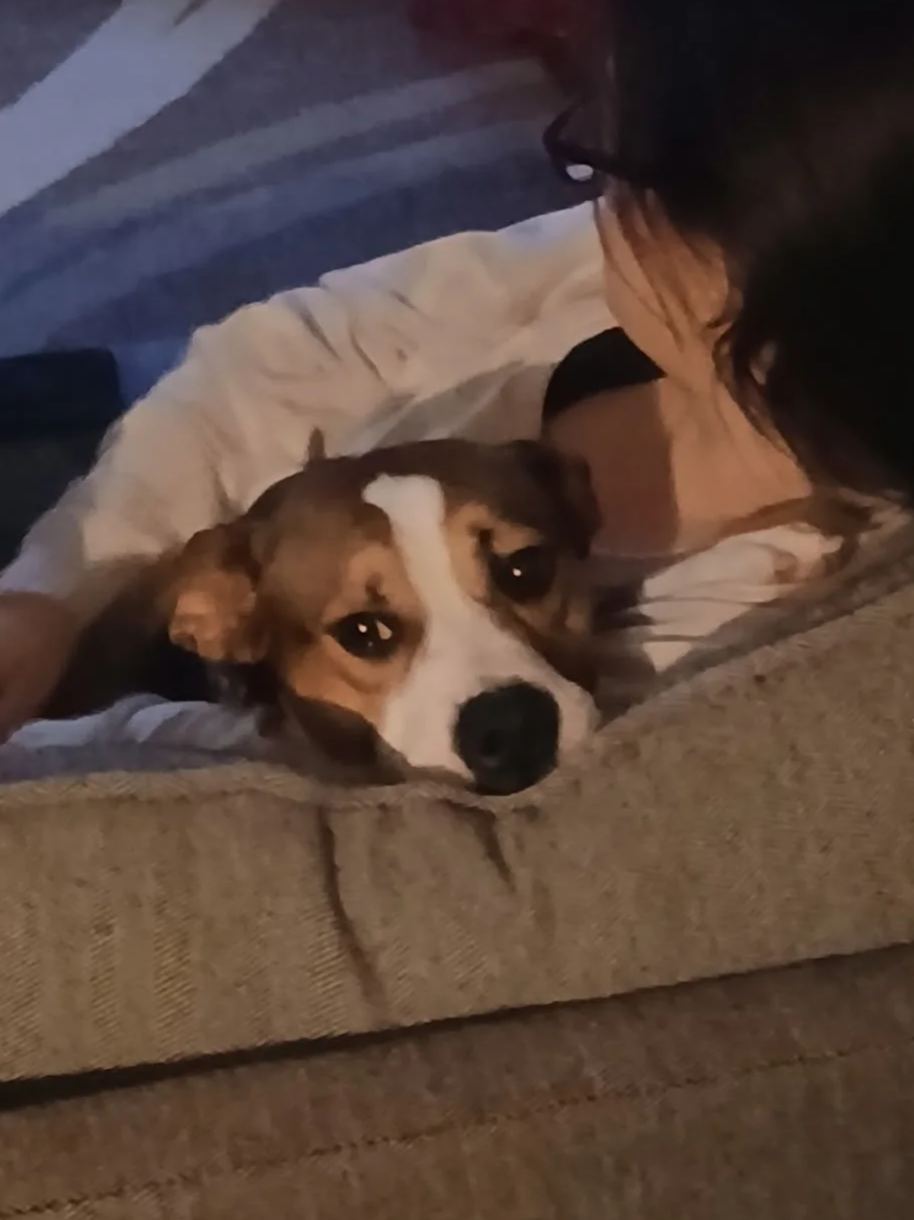
Relax and Decompress
The shelter environment is stressful.
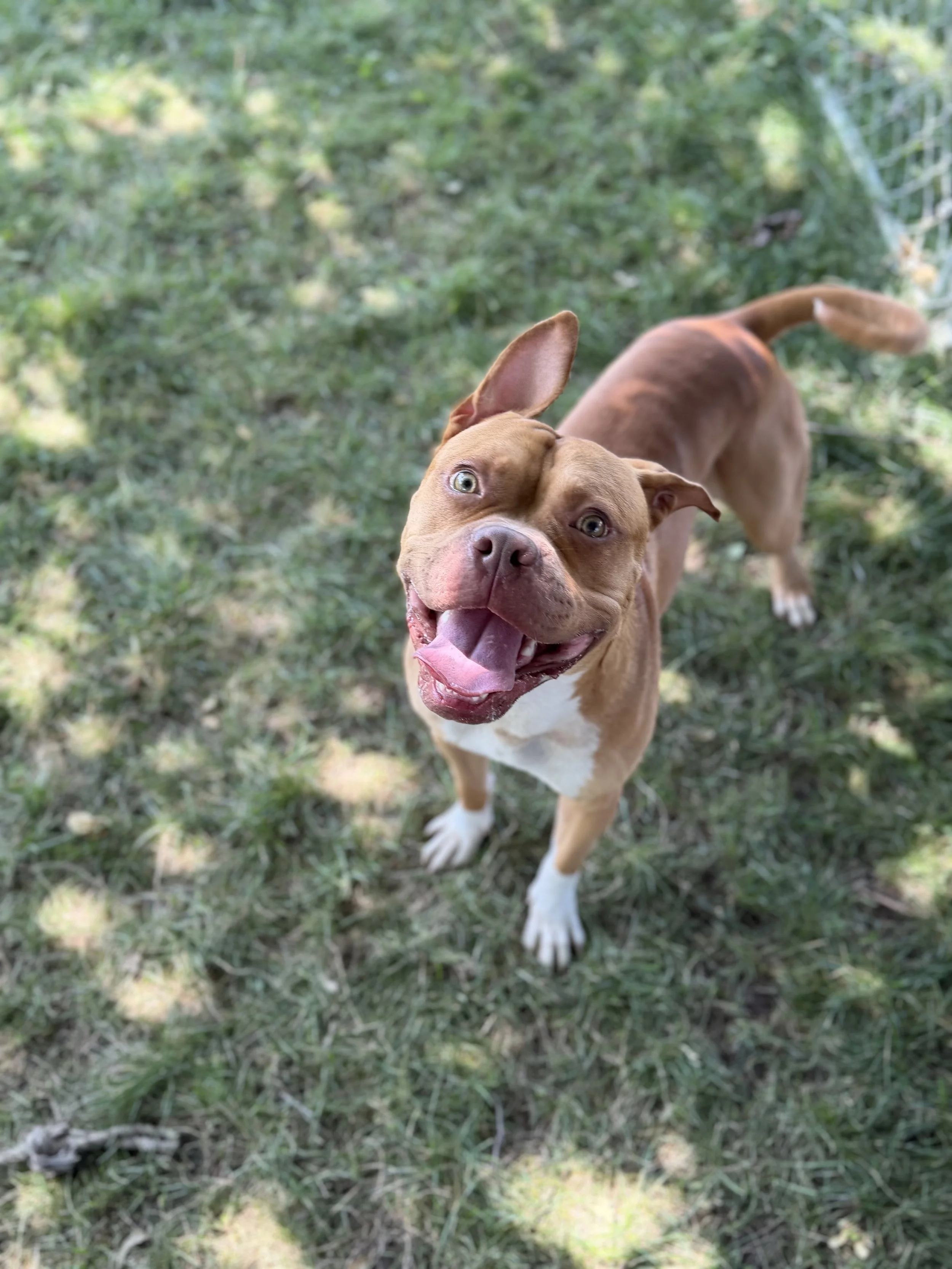
Let Their True Personality Shine
Once an animal is comfortable, we can provide better information on their traits to potential adopters.
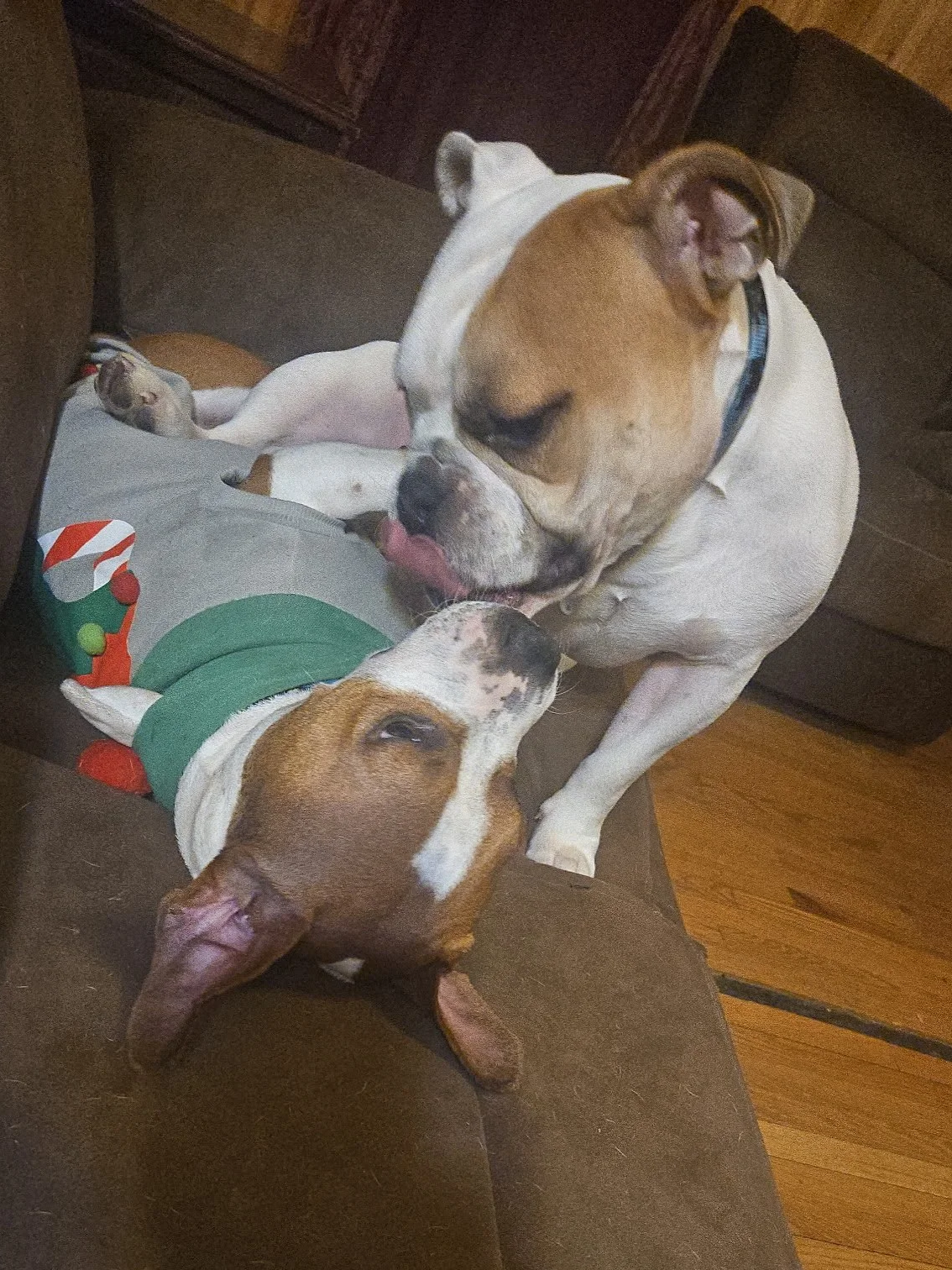
Build Confidence and Social Skills
Neglect, abuse, and abandonment have lasting effects that don’t improve at the shelter.
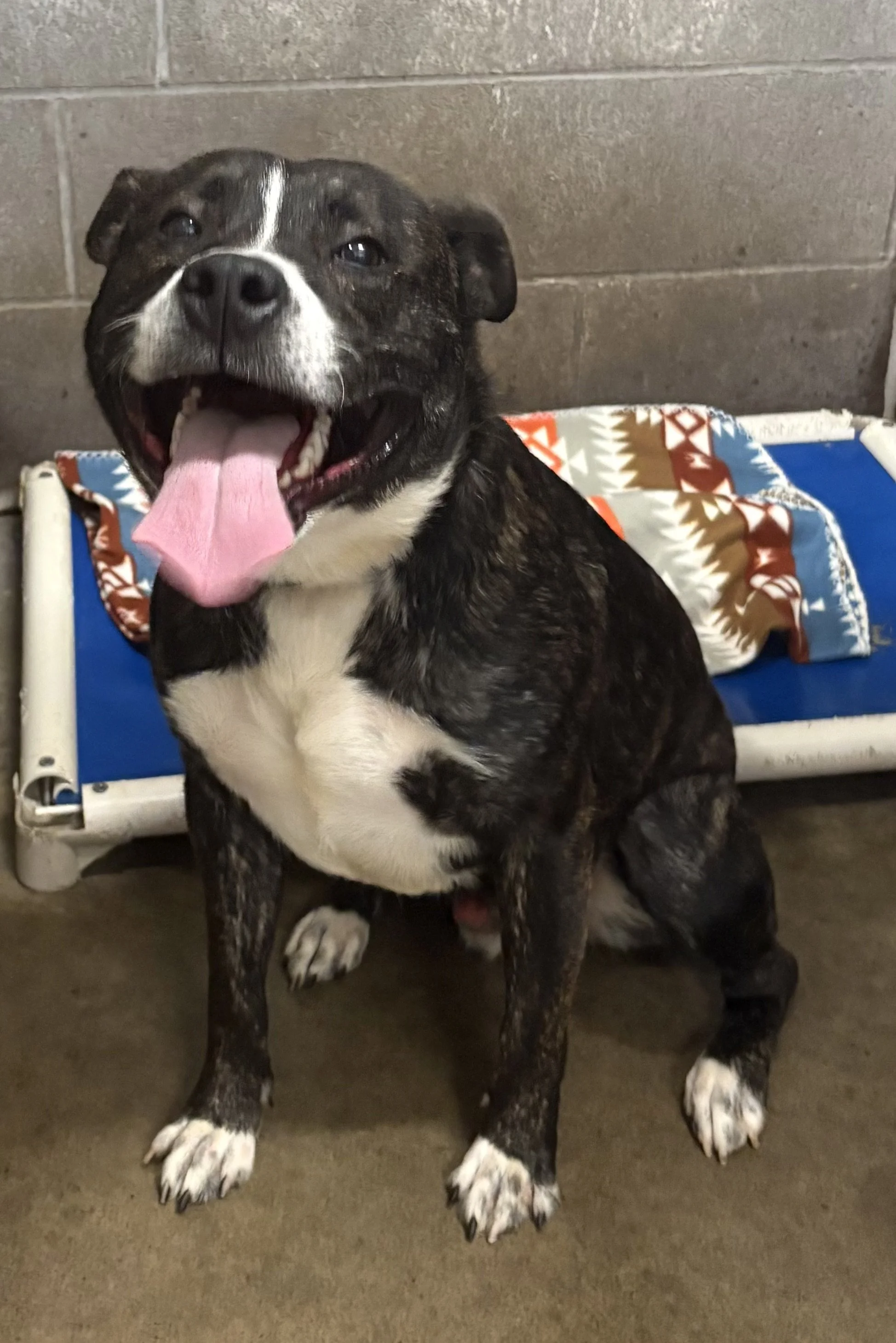
Free Up Valuable Shelter Space
With open kennels, we can help even more animals and be better prepared for cruelty cases.
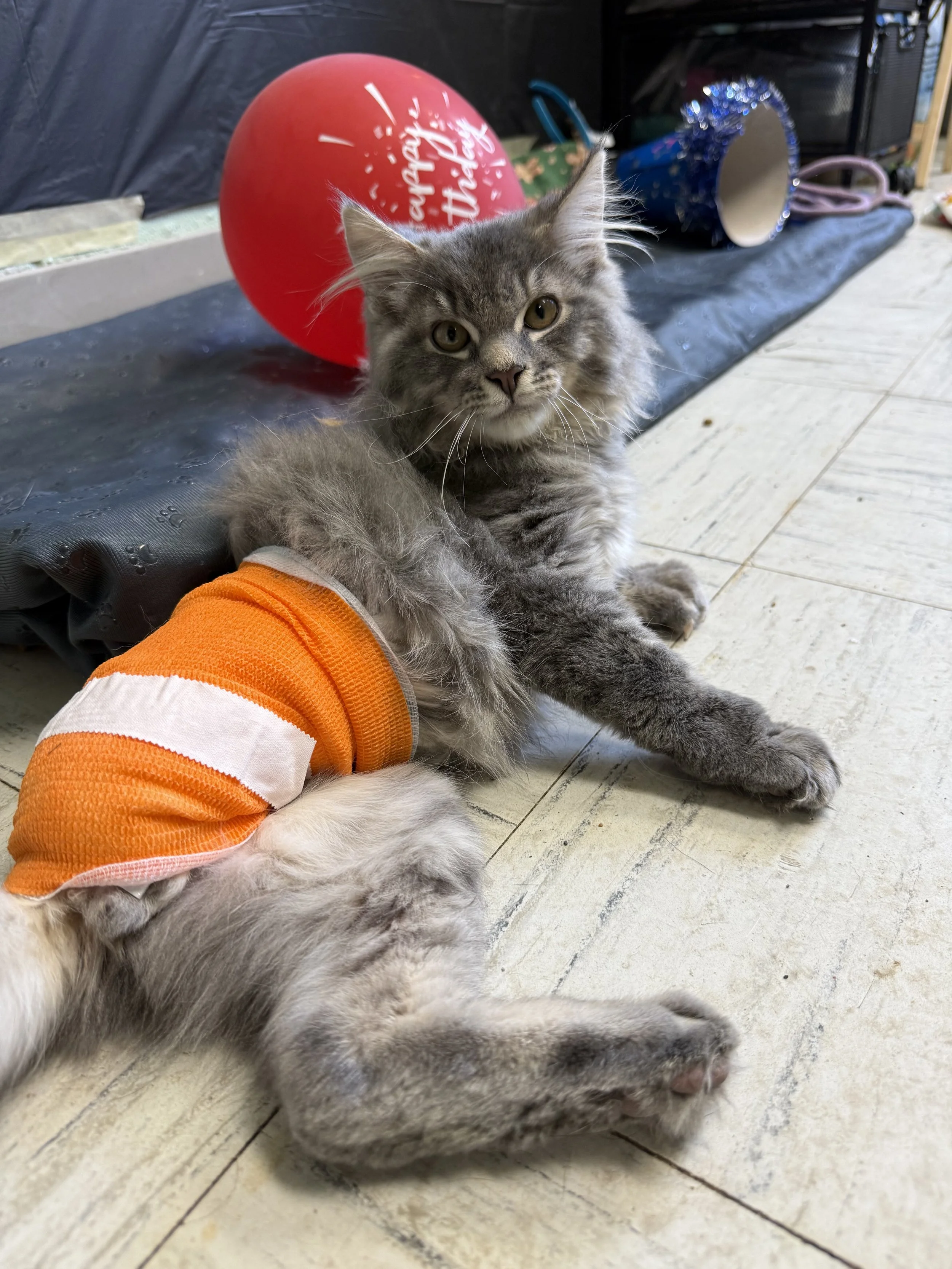
Recover from Illness of Injury
If an animal is not well, a home environment is a safe place for recovery & compassionate care.
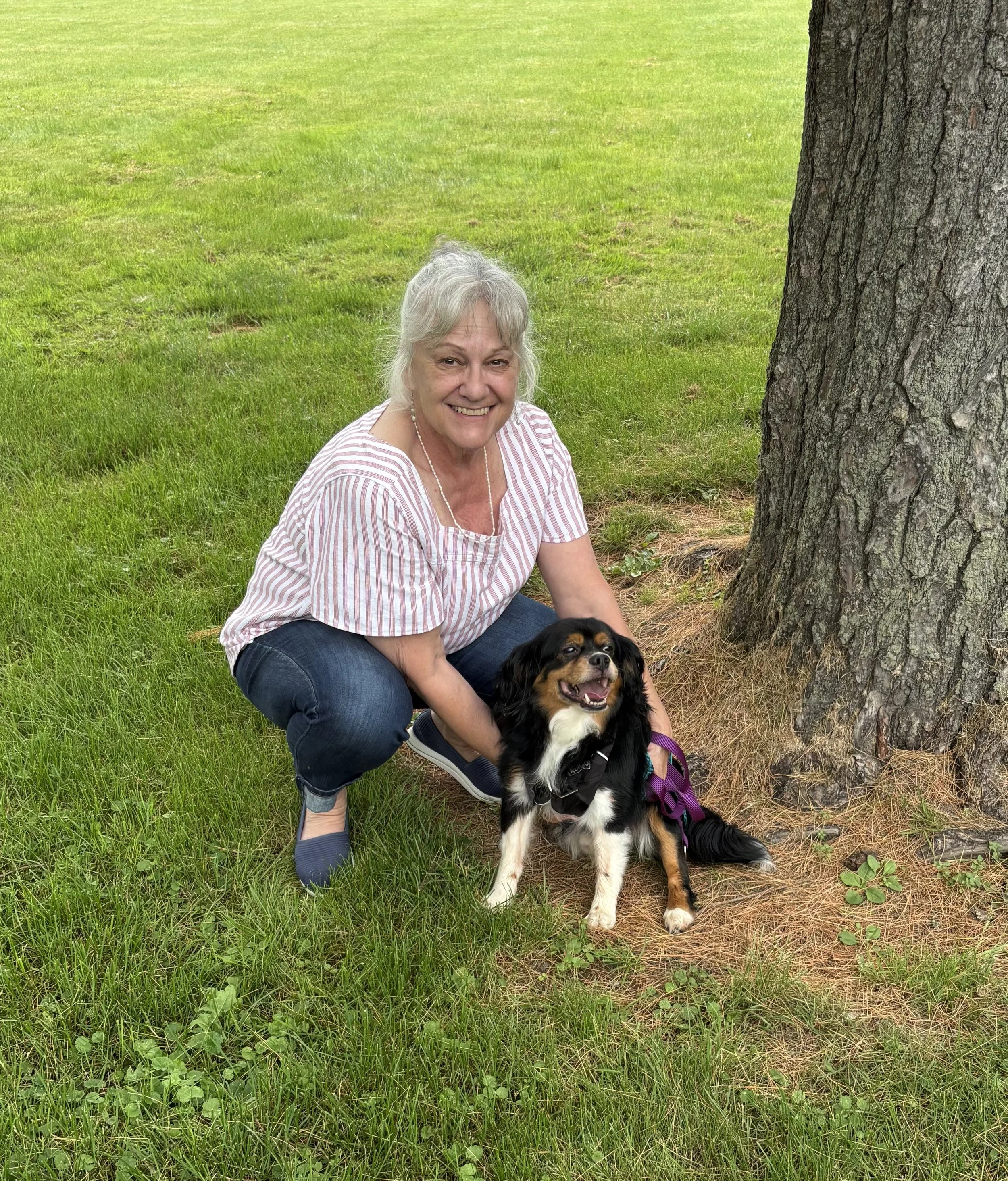
Provide Individual Attention
There are many animals in the shelter. As hard as we try, they don’t get enough attention.
Expectation of Fosters
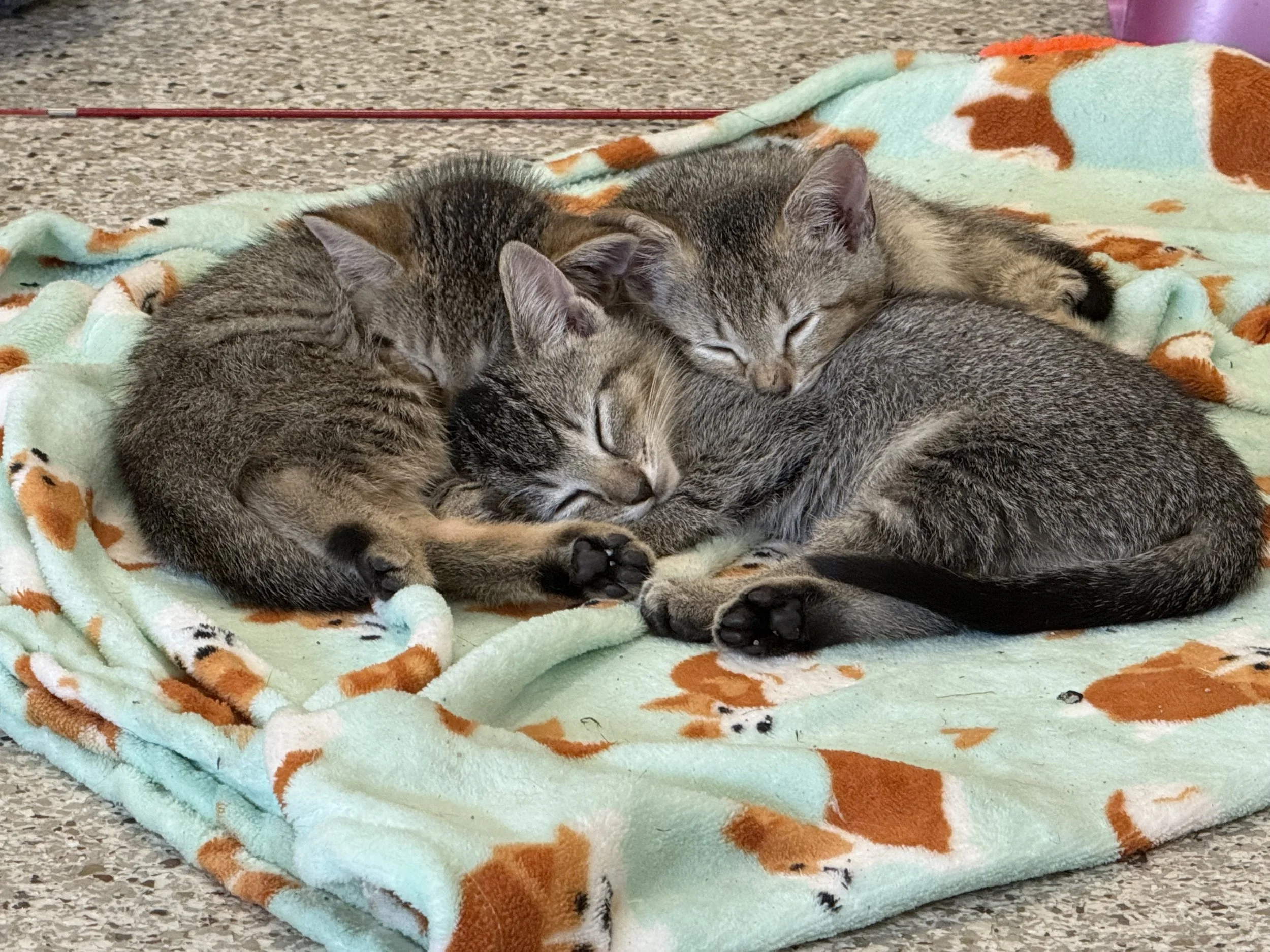
Responsibilities include:
Providing a safe, clean and comfortable home
Providing food, fresh water, exercise and enrichment
Giving medications or following a specific care plan when needed
Helping an animal adjust to a new environment
Monitoring and communicating changes in health or behavior
Keeping daily care records
Bringing the animal to OCHS-approved veterinary appointments
Helping us learn more about the animal by sharing photos and updates
Making the animal available for reasonable meet-and-greets with potential adopters
Following OCHS safety, handling and care guidelines
Foster animals remain in the legal custody of Happy Tails throughout their foster placement. Foster families do not independently rehome, transfer or adopt out foster animals.
Foster care is a volunteer commitment, but you're never expected to figure it all out on your own.
Before a foster animal comes home, you'll receive an Animal Profile with important information about their medical and behavioral needs, feeding and care instructions, vaccination history, follow-up care and emergency information.
Happy Tails provides ongoing guidance and support throughout the placement. Our program includes veterinary oversight, behavioral support and a 24/7 emergency contact for foster animals. Approved veterinary expenses are covered by OCHS, and supplies such as food, litter, medications, crates or carriers and toys may be provided as available.
If something doesn't seem right, we want you to reach out. Questions, concerns and changes in an animal's health or behavior should be communicated to the Pawstering Program Coordinator so we can help.
What Does it Take to Become a Foster?
Fostering is rewarding—but it is also a responsibility. We want to make sure every foster placement is safe and successful for the animal, your household and you.
Complete an application
We'll ask about your household, current pets, housing situation, experience with animals, veterinary references, schedule and the types of animals you're comfortable fostering.Complete the screening process
Foster applicants must be at least 21 years old. OCHS conducts background screening for adult members of the household and reviews veterinary references as part of the approval process.Complete a home assessment
Before your first placement, OCHS will conduct a home visit or virtual home assessment to make sure the environment is appropriate and safe for a foster animal.If you rent, you'll also need approval from your landlord.
Complete foster training
All foster providers must complete the required LearnASPCA training before receiving a foster animal. Training covers animal handling and safety, recognizing illness and stress, emergency procedures, behavior, sanitation and other important aspects of foster care.Find your foster match
Once you're approved, we'll work with you to identify animals whose needs and personalities are a good fit for your experience, household and availability.Before bringing an animal home, you'll have the opportunity to meet them and, when appropriate, introduce them to other animals in your household.
FAQs
-
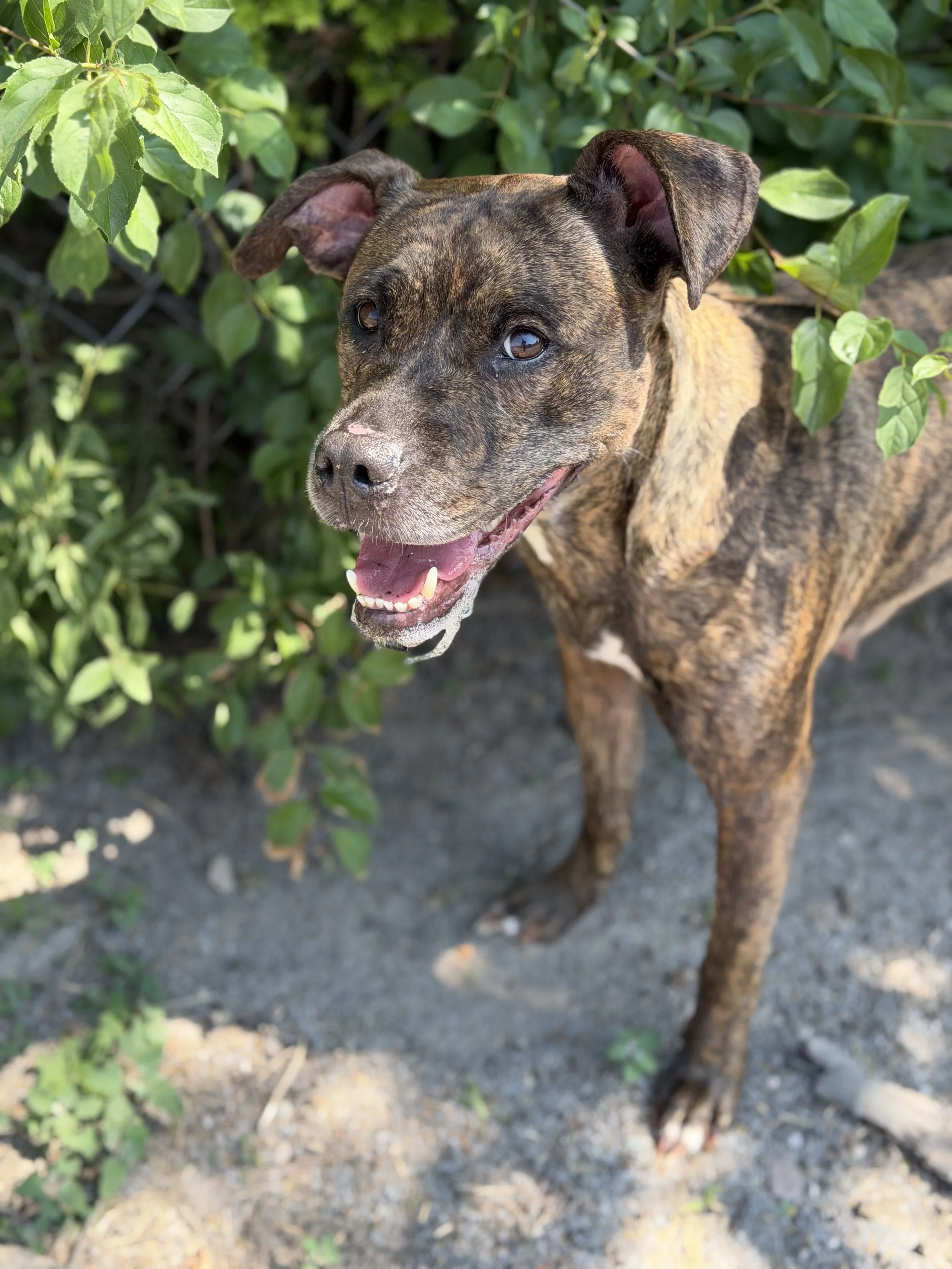
That’s Ok! Having other pets does not automatically prevent you from fostering, but OCHS evaluates the household and requires foster animals to be separated from resident pets during the required quarantine period.
The SOP specifies a minimum 10-day quarantine for new foster animals and requires foster homes to have space available for separation or isolation.
A meet-and-greet may also be required before the foster animal comes home.
-
Foster care is temporary. The Foster Care Agreement identifies an expected end date or conditions that may trigger a return or transfer.
Foster providers may return animals to OCHS at any time. The SOP specifically establishes a no-questions-asked return policy to encourage foster providers to return an animal rather than struggle with an inappropriate placement.
Planned returns are coordinated with the Pawstering Program Coordinator. Urgent, medical, or emergency returns are coordinated through the OCHS Emergency Line.
-
Yes. Foster providers may express interest in adopting an animal currently in their care.
If multiple applications are received for that animal, the SOP provides priority to the foster provider. The foster provider must still complete the standard OCHS adoption application and go through the applicable adoption screening and counseling process.
The adoption cannot be finalized until the animal has been spayed/neutered, is current on vaccinations, and has been microchipped with registration transferred to the adopter.